
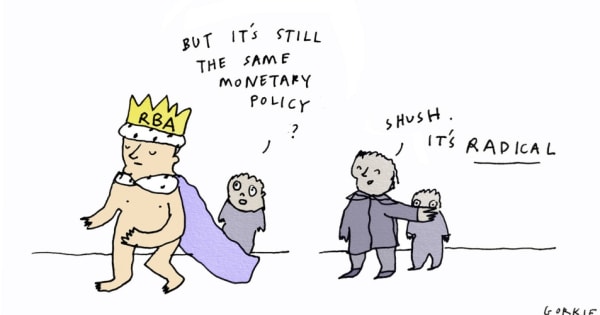
The RBA lifted rates another 25bp yesterday in yet another step toward the stated aim of slowing domestic economic growth “significantly”, an aim they reiterated in their accompanying statement.
This is the 12th rate hike this cycle and the highest cash rate since mid-1996. Yet such an outcome appears odd given the state and fragility of the global economy and, in particular, given that the US is in a recession. The additional problem is that Australia is currently facing a housing affordability crisis and major hurdles in terms of residential construction. A rising cash rate here will only exacerbate these issues.
The problem, in the RBA’s view, is that the Australian economy is just too hot and consequently we’re now running up against capacity constraints. In turn, the RBA suggests that the combination of strong domestic demand and capacity constraints is the engine driving the inflation problem that Australia now faces.
But herein lays the danger. Domestic demand, and in particular consumer demand, is not the driving force behind the inflation problem at present. The facts are pretty clear. Take the December quarter CPI showing headline inflation rising by 0.9%. Of this, 0.7%pts (or 77% of the increase) was due to four components: fuel, housing, rents, ‘alcohol and tobacco’ and financial services. Over the last two years food alone has accounted for about 40% of the increase in inflation.
Price increases in these components aren’t being driven by strong domestic demand. They’re being driven by factors largely outside the control of monetary policy – global demand/supply issues, the drought, the liquidity crisis, tax and excise and a shortage of housing. With a number of these factors set to unwind over the year given the global economic slowdown and recent rainfall, there is a very serious risk that the RBA will lean too hard against the economy as it waits for evidence that domestic demand is slowing. This at a time that the US economy is in recession. The risks to Australia’s prosperity are consequently material.
Yet the risks needn’t be material. There is an alternative. By focussing policy on the actual drivers of inflation, better policy outcomes — ones that don’t involve inducing slower growth and higher unemployment — could be achieved. That’s not to say that government policy can target global oil or food prices. No, but they can increase immigration and ease the skills shortage, they can restrict the extent to which tax and excise exacerbate price rises. Governments can look at many tax and excise issues that are driving inflation higher such as the excise on alcohol and tobacco, local government property rates and charges (which have risen at an average annual pace of 5½% over the last few years) and stamp duty. Moreover, adopting policies which ease the rental squeeze and add to the stock of affordable housing would also do much to cap inflation – without crunching growth and putting people out of work.
It’s important to note that the Bank’s target is to keep inflation within the 2-3% band over the course of the business cycle. Not to never let inflation rise above 3%. In that regard and given the unique circumstances the global economy is in – it may be wise to allow a little more leeway in that regard. There is little evidence to suggest that an inflation rate at around 4% is harmful.

The other thing is to is that its not a recession until the Big End of Town feels the pinch – so while most people’s core asset value is falling, and jobs are being cut, we are still in a boom. It’s time to sack the RBA board and employ someone who knows.
The most sensible commentary on the ineffectiveness of the RBA action in continually raising IR and their fixation on the demand side of the equation. The RBA members need to realise that target is an average over the cycle, some media scrutiny may assist
You can sense the frustration with the RBA emerging amongst the Labour apologists.Labour opposed the legislation giving the RBA independence when John Howard introduced it and how they would love to return to the days of Keating telling the RBA what to do