
Separated at birth? We love Bert. You love Bert. Everyone loves Bert. But that can’t stop us mocking up the following look-a-likes following the great toupee’d one’s tipping of his wig in remembrance for Don Lane:
There’s Alfalfa from The Little Rascals:
Then there’s the uncanny resemblance to Zippy the Pinhead:
Last but not least, is Darth Bert:
George Patt’s greatest ads For some, the name GPY&R is these days more associated with WPP’s legal squabble with Pacific Equity Partners. But George Patterson is arguably Australia’s greatest agency ever. And as next week’s 75th anniversary party approaches next week, the agency has put some of its greatest moments up on YouTube. — Mumbrella
What’s behind Rupert’s wall building delay? Are the companies — and, perhaps, others, such as Trinity Mirror and Associated — working together to co-ordinate the building of paywalls? That might be OK, but what if they are planning to set a similar fee structure? Then there would be genuine reasons for regulatory concern because that would amount to the forming of a cartel. (Note, incidentally, that Murdoch’s reference to the Telegraph did not appear in the Telegraph’s own report despite its reporter having asked the question. Embarrassment at a secret being revealed?) Doubtless, there are other matters for the wall-builders to think about too, such as the amount of editorial copy they plan to seal off. — Greenslade blog
Murdoch and his Moby Dick. It is curious, to say the least, to see personal obsessions play out in the business world. Murdoch announced the quarterly results for his company, News Corp, yesterday. They showed dismal prospects for his newspapers everywhere in the world. And yet he is not to be dissuaded from the notion that newspapers provide the meaning of his life and the purpose of his company and that the New York Times, as the greatest newspaper the world has ever known, must be conquered if his ambitions are to be fulfilled. In this quest, Murdoch is Ahab. His obsession is as single-minded and his reason and sanity (at least his business sanity) are as much at issue. — Michael Wolff Off the Grid, Newser
Digital agencies aren’t ready to lead. Digital agencies are having a ton of fun experimenting with ideas, technologies and strategies to find new alternatives superior to obsolete ways of doing marketing. That’s what they do best. The problem is, this is the only thing they are doing. When they are asked to actually follow through on their ideas, they often come up short. It is because they don’t know the business of marketing (or want to know it, for that matter), and they rarely have the organisational structure or past practices to guide them. — Digital Next, Advertising Age
Media140 FAIL. The last three events in the United States I attended reporting I was given a standard media/ journalist pass … but hey, I already knew that Australia was five years behind, and any pass in this God-forsaken backwater was a good thing … whoops, I didn’t really mean to say that … well, much. Censored Government-funded fast Facebook (NBN) … say no more. Sadly that in the country of my birth that in 2009 I can’t get recognised as a media representative was the least of my problems for the day, because despite the good reputation of the Media140 conferences in the United States, what I heard today was Jurassic Park, but with far worse CGI. — The Inquisitr
The unclicking 84%. Basically, all of the clicks for all the ads online come from only 16% of the surfers, and most of them come from just 4% of all internet users. So, if you optimise your ads for clicks, it means you’re ignoring a huge population. If your business is built around the kind of person who clicks, you win. If it isn’t, you either need to not buy ads online or buy ads optimised for attention and familiarity, not clicks. — Seth Godin’s blog
Newsroom interns helped or hurt by cuts? Interns, a steady presence in the newsroom, are falling victim to the industry’s financial woes, too. Budget constraints are forcing many papers to reconfigure their internship programs, and in some cases, completely eliminate them. “It was either staff or interns,” Julie Engebrecht, The Cincinnati Enquirer’s director of news, says of the paper’s decision not to take any on for the past five years. In prior summers, it had hired roughly a dozen paid interns per year. — Editor & Publisher

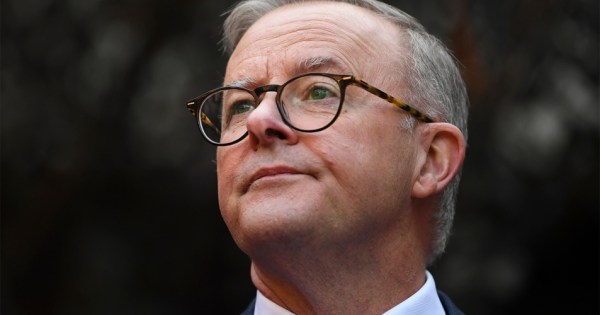

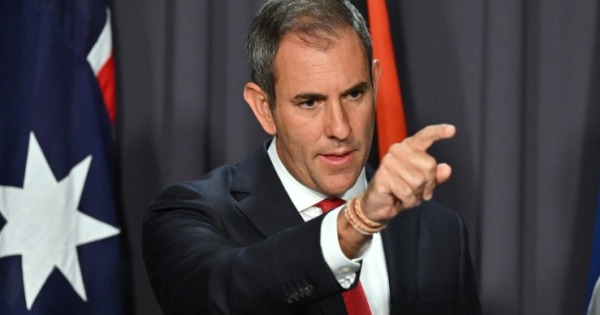

Isn’t the last picture set Uncle Fester from the Addams family?