
One thing to bear in mind as we wend our way through the daily politics of the “tough” federal budget over the next week is this: it is not really very tough at all.
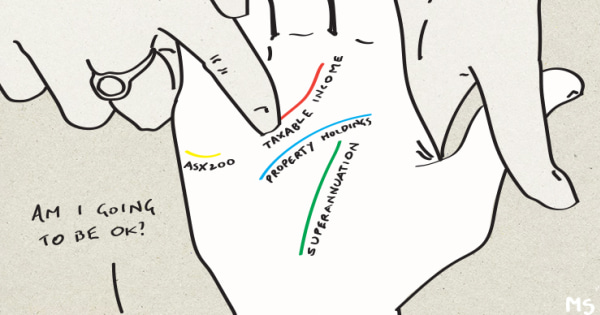
The one area of budget largess that is most in need of reform, most corrupting to the economy, most inequitable to the nation, and therefore most politically difficult to address, are the special tax dispensations offered to various interests in the economy: stuff like super concessions, negative gearing and salary packaging rorts.
The International Monetary Fund recently did a study of these rent-seeking tax giveaways and listed Australia as the OECD’s worst offender:

According to the report, tax expenditures are:
“… government revenues foregone as a result of differential, or preferential, treatment of specific sectors, activities, regions, or agents. They can take many forms, including allowances (deductions from the base), exemptions (exclusions from the base), rate relief (lower rates), credits (reductions in liability) and tax deferrals (postponing payments).”
The IMF believes that tax expenditures should be reformed since they:
“… can have major consequences for the fairness, complexity, efficiency, and effectiveness of not only the tax system itself but, since they often serve purposes that might be (or are also) pursued through public spending, of the wider fiscal system.”
It also argues that now is the time to roll back tax expenditures to help cut budget deficits. Regular reviews would increase scrutiny of outdated perks, and many could be replaced with more targeted measures, since most of the benefits are currently enjoyed by the wealthy rather than those needing help.
Eight per cent of GDP is some $130 billion in giveaways, none of which are being touched.
Tough budget? I think not.
*This article was originally published at MacroBusiness


There would be no necessity for a Budget debate if Rudd’s RSPT legislation had been passed. The $20M spent by the miners in a fright campaign was an outstanding investment – we became a nation of simpleton suckers. And who is now about to pay, suckers?
Zut the simpleton suckers are now about to find out how they have been gypped, and there is a price to be paid for being simpleton suckers the Abbott government will make sure of that.
Yes, zut alors. Wouldn’t it have been a different state of affairs if it had been presented and passed. Also, if those silly Greens had allowed the first iteration of the Carbon Tax to go through the Senate, we wouldn’t have been having the brainwashing of Abbott as it would have had time to be accepted, and perhaps we may not have this dreadful govt that we have now.
I didn’t know that, but I can’t say it comes as any substantial surprise. That this country is worse (or better, whichever) at lining the nests of the already-well-off than any of the EU basket cases (up to and including Italy) ought to shock the majority in Oz out of their apathy, which of course is why this article is placed in a quiet corner of Crikey rather than out there in big bold block capitals in the arena of Failfax/ News Corpse/ Shoutback radio.
Rudd and co.’s abject failure to sell the RSPT was perhaps an even bigger factor than the mining industry’s predictable campaign. They failed to simplify and explain a complex piece of legislation for public consumption, and worse, couldn’t make hay from the likes of Rinehart and Forrest suddenly morphing into placard-waving activists. Hopeless! None of which, however, addresses what this article is on about.
The LNP and ALP are both in thrall to swinging, mainly middle class voters, therefore middle class welfare will remain so long as those forces remain the two “sides” of Australian politics. It’s Tweedledum and Tweedledumber. Take your pick. Or stop voting for them.